

Overview
Maple Bear is a globally recognized early education brand offering a Canadian curriculum with a strong focus on holistic development.
This case study captures how we designed and executed a full-funnel digital marketing strategy to drive:
- High-quality parent inquiries
- Stronger brand recall
- Consistent admissions during key cycles
Unlike traditional education marketing, this required balancing trust-building, emotional storytelling, and performance-driven lead generation.

The Challenge
Education marketing is not just about leads—it is about trust, timing, and parent decision-making.
1. High-Involvement Decision Making
Choosing a school is a deeply considered decision.
Parents:
- Research extensively
- Compare multiple schools
- Evaluate curriculum, environment, and long-term impact
Implication:
Quick conversion-focused campaigns fail without trust-building.
2. Emotion + Logic Driven Audience
The target audience (parents) is:
- Emotionally invested in outcomes
- Highly cautious and research-oriented
- Looking beyond just infrastructure
Implication:
Generic ads fail to create differentiation or trust.
3. Lead Quality vs Lead Volume Trade-off
Traditional campaigns often resulted in:
- Low-quality inquiries
- Poor admission conversion rates
- Increased burden on admission teams
Implication:
Volume without intent reduces efficiency.
4. Fragmented Parent Journey
A typical parent journey involved:
- Discovering via Instagram or word-of-mouth
- Searching on Google
- Engaging via ads or social content
- Converting through calls or visits
Implication:
Single-channel strategies fail to capture the full journey.
5. Seasonal Admission Cycles
Demand peaks during specific periods.
Implication:
Campaigns needed to be:
- Timed precisely
- Scaled strategically
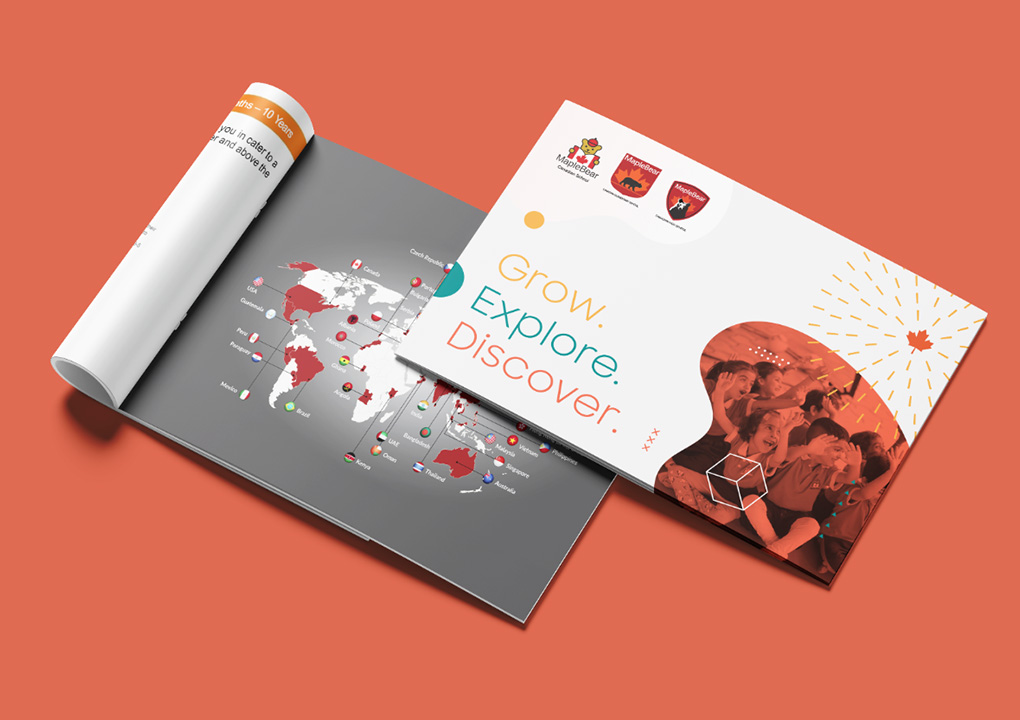
Our Approach
We moved away from isolated campaigns and built a full-funnel admission marketing system.
Core Philosophy
Do not optimise for leads. Optimise for qualified parent intent and admissions.
Execution Framework
Layer | Role in Funnel |
Google Ads | Capture high-intent parents |
Meta Ads | Create and nurture demand |
Social Media | Build trust and credibility |
SEO | Strengthen long-term discovery |
Reporting | Drive continuous optimisation |
Execution Summary
1. Google Ads – Capturing High-Intent Demand
Google was the primary channel for parents actively searching for schools.
Execution:
- Targeted high-intent keywords such as “international school near me,” “best preschool in [city],” and “play-based learning school”
- Structured campaigns around admissions-focused queries
- Implemented remarketing loops to re-engage interested parents
Strategic Impact:
- Captured parents already in the decision phase
- Improved lead quality significantly
- Reduced wastage from broad targeting
2. Meta Ads – Demand Creation and Parent Nurturing
Meta was used to shape perception and build trust before conversion.
Execution:
- Visual storytelling focused on classroom experiences, child development, and school environment
- Funnel-based campaign structure:
- Awareness campaigns (reach and engagement)
- Lead generation campaigns
- Retargeting campaigns
- Integrated lead forms and direct inquiry channels
Strategic Impact:
- Built emotional connection with parents
- Reduced low-intent inquiries
- Improved lead-to-admission conversion quality
3. Organic Social Media – Trust and Community Building
Social media acted as a credibility layer, not just a content channel.
Execution:
- Consistent content around daily school life, events, and student engagement
- Use of reels for reach and static posts for credibility
- Focus on relatability and transparency for parents
Strategic Impact:
- Strengthened brand trust and recall
- Supported decision-making during the consideration stage
4. SEO – Long-Term Visibility Layer
SEO ensured Maple Bear remained discoverable during active research phases.
Execution:
- Optimized content for admission-related and location-based queries
- Strengthened local search presence
Strategic Impact:
- Increased organic discovery
- Reduced long-term dependency on paid channels
5. Reporting and Funnel Optimisation
We built a system focused on admission outcomes rather than just lead generation.
Tracked Metrics:
- Cost per qualified lead
- Lead quality and intent signals
- Platform-wise performance
- Engagement metrics
Optimisation Actions:
- Budget reallocation across platforms
- Creative and messaging refinement
- Audience segmentation improvements
Strategic Impact:
- Improved visibility into what drives actual admissions
- Faster and more effective optimisation cycles
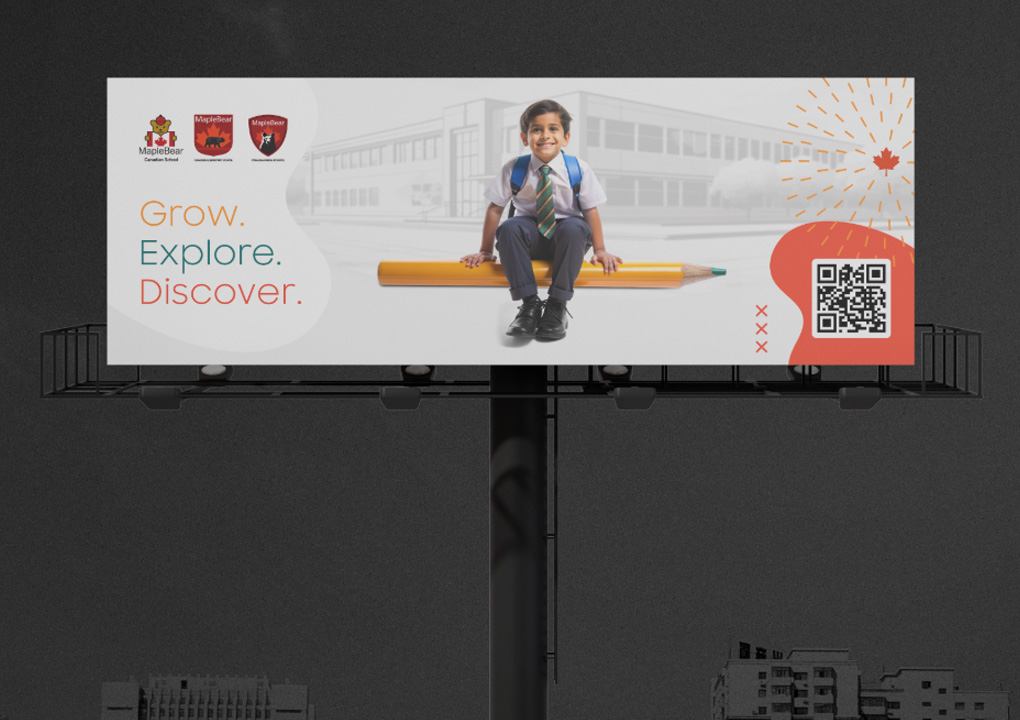
Results
Over a sustained period of execution:
- Significant improvement in lead quality across platforms
- Consistent increase in qualified admission inquiries
- Higher engagement and trust across social media channels
- Improved efficiency of ad spends through better targeting
- Strong and steady inquiry pipeline during admission cycles
Key Outcome
Digital marketing became a core driver of admissions, contributing to a consistent flow of high-intent parent inquiries translating into actual student enrollments.
Conclusion
For education brands, marketing is not just about visibility, it is about building trust at scale and guiding parent decisions.
By combining high-intent capture through Google Ads, emotional storytelling through Meta and social media, and data-driven optimisation, we created a system that directly impacted admissions, not just awareness.
Ready to make your next event unforgettable?
Let Jai Veeru Creatives bring your vision to life.
